
Upgrade package
Touch as method for critical
ecological stewardship in England:
a hands-on artist-led intervention
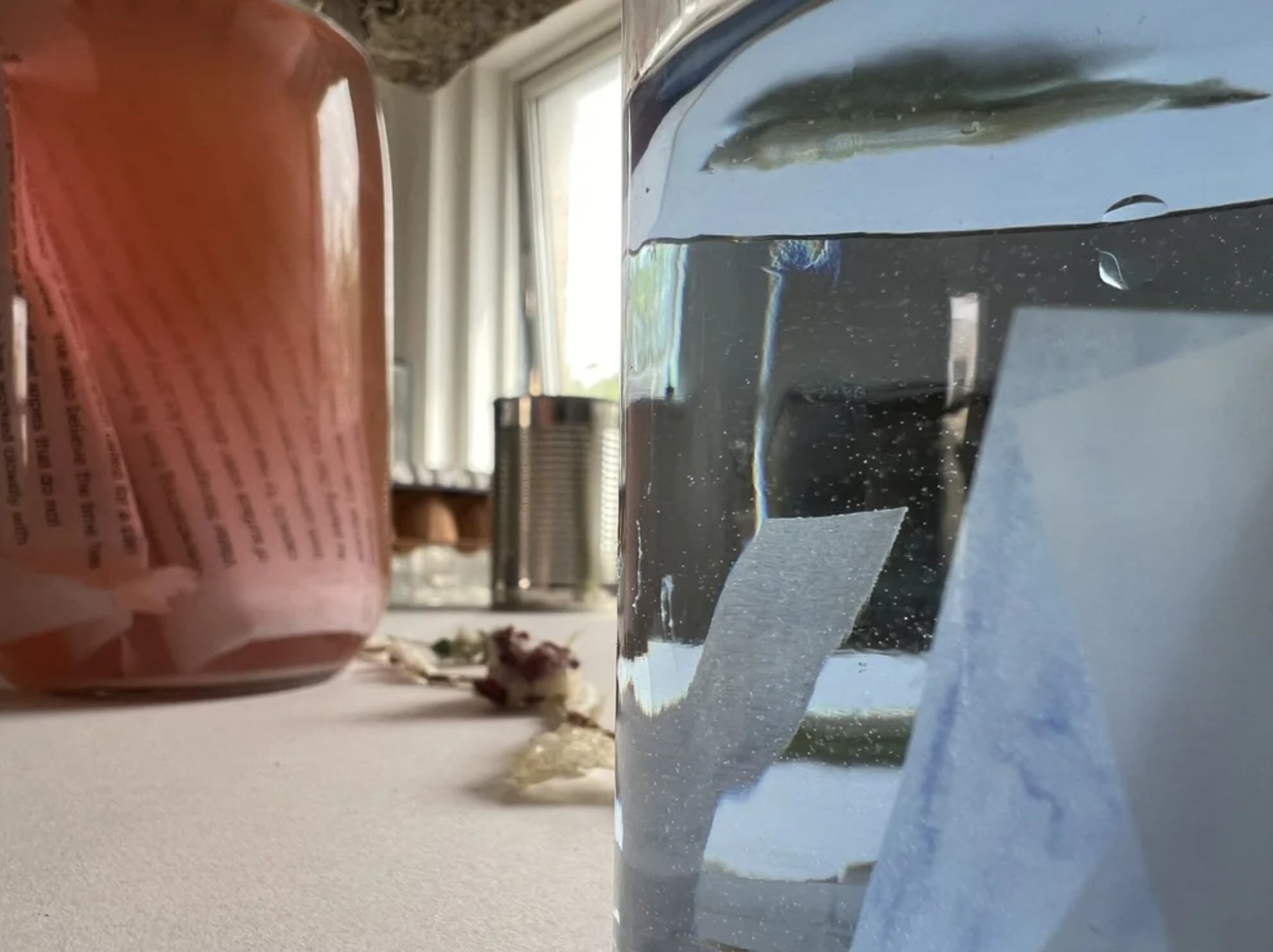
This package contains 500 word abstract; 3500 word contextual review ; structural outline; a sample chapter: The Conservatism of Conservation: pulling environmental stewardship in England up from the etymological and empire-ical roots and associated appendices; a PDF of practice documentation; a live timeline of work an an ethical approval form.
Alongside this I will exhibit some of the objects detailed in sample chapter and prepare a short opening presentation.
1.Abstract
This artistic research project investigates the possibilities of touch in practicing more inclusive and flourishing ecological stewardship in England, one of the most nature depleted countries on the planet. From the bottom up, I’m interested in the ways touch reveals knowledge about ecology, makes things visible and materialises the politics. For the top down, I’m interested in how institutional forms of stewardship in England have become ‘out of touch’ and how the practice could be resense-itised. My usage of ‘touch’ encompasses multiple sensory phenomena where the body comes into contact and reciprocates with the world - for example, distinguishing texture, inhaling aroma molecules, responding to temperature.
The PhD is an intervention into a crisis of method in England which is grounded in practices and logics acquired through empire and colonialism and determines how nature should be tended to, what gets pulled up from the roots and who is allowed to come into contact with it and steward it. I am establishing the ways touch in the hands of art research is particularly well placed to shape decolonial strategies (Tuwai Smith; 1999; Ferdinand, 2019) that bridge the physical and cognitive distancing from the ecologies being managed; unsuppresses the role of the senses in knowledge-making; ruptures the ‘outsideness’ of nature, generates imaginative connections and shapes an ethics of when and when not to touch. This work takes on a renewed urgency as nature accelerates in decline; the UK government reinforces the economy over ecology and dangerous rhetoric around who and what belongs to the land of England has doubled down.
Research questions:
(1) How has being physically out-of-touch with nature in England contributed to intersecting ecological crises and exclusions in terms of who can steward nature?
(2) How can artistic research draw attention to and expand complex transdisciplinary understanding of the importance of touch in ecological stewardship, including aspects of conservation practice that are not commonly thought of as sensory (e.g. data, policy-making and administration)?
(3) How can an artistic re-sensitising of the practice of institutional ecological stewardship contribute to decolonising conservation and improving inclusion in England?
Research methodology: I am researching these questions with touch as a method through:
Touch as a form of study: What does touch-based processing reveal about the world? How does it make knowledge? How can object-making and mediation create a contact point and materialise abstract ideas, theories and politics?
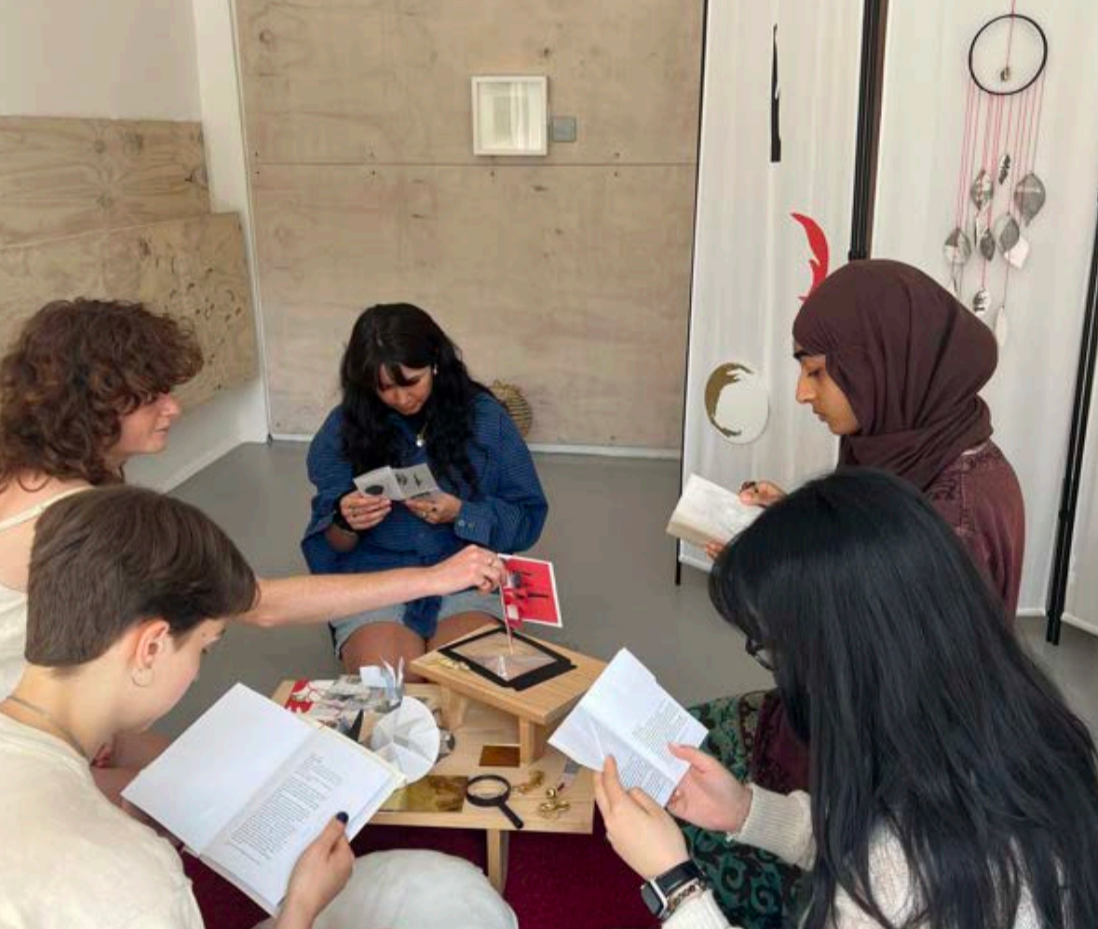
Workshopping: What types of workshopping practice can re-animate touch as a form of ecological knowing? How can artist-led workshops be a form of ecological fieldwork and research creation?
Touch-informed presentation formats: How can abstract or invisibilised information, ideas and concepts be turned into tactile and affective experiences, enlivening the estranging administration of institutional conservation practice?
I am testing ideas, staging interventions and acquiring live insights into the effectiveness and impact of this research by space invading (Puwar, 2004) in influential policy-shaping institutions like Natural England, Policy Lab, DEFRA, Natural History Museum. Simultaneously, I am elevating and centring the work of grassroots organisations and diverse networks to agitate and trouble institutional forms of conservation.
Research contribution: A rich case study, grounded in theory and original insight into touch in relation to the breakdown of ecology in England and as a connective tissue that connects environmental and social inequity in England. This contribution outlines a critically overlooked opportunity to intervene and offers practical strategies for implementation. The project will deepen theories of touch and sensory knowledge in relation to land justice and advance discourses on decolonial environmentalism, the 'artist as ecologist’ and the politics of embodied knowledge.
Research significance: The significance of my research is: theoretical, advancing scholarly understanding of practices and possibilities of nature care through the arts in England; methodological, enabling new kinds of research (through touch) whilst re-conjuring touch as a marginalised way of knowing in England; practical, providing methods that could be applied to problem solving as well as evidence for organisations who are interested in collaborating with artists to address ecological repair but need reassurance through impact-led case study material and resources; social - this research is original in its address of the exclusion of marginalised communities within the English conservation sector, where only 4.8% of environment professionals and 9% of environmental academics are BAME (Global Action Plan, 2022).

2. Contextual Review
Link to editable document:
A 3500 word contextual review outlining my field of study, precedents and proposed contributions.
3. Structural Outline
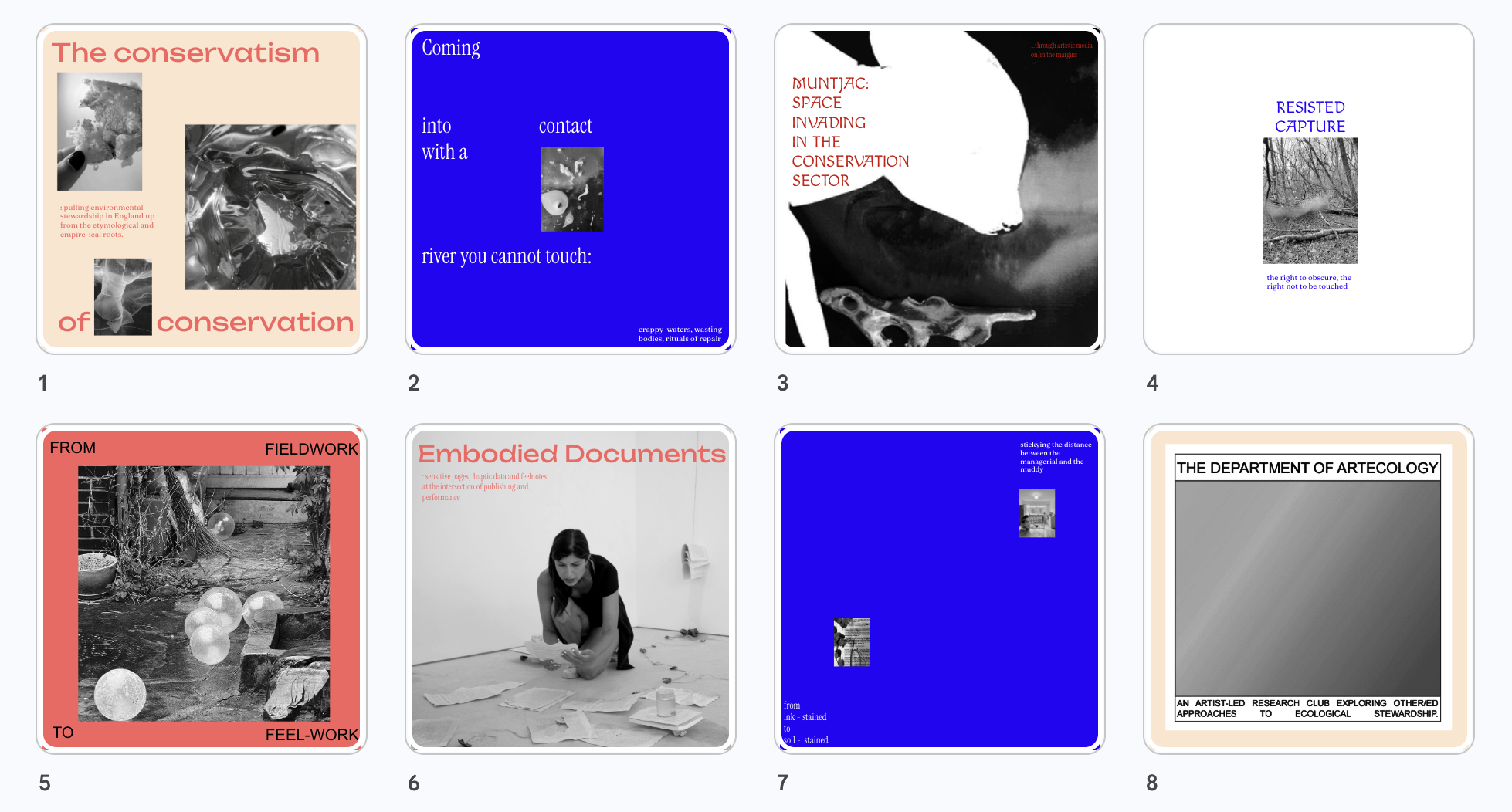
4. Writing sample


7. Ethical approval form
Link to editable ethical approval form:
Rebecca Lyon_PhD Ethical Approval Form
